Jun 1, 2021 - Present
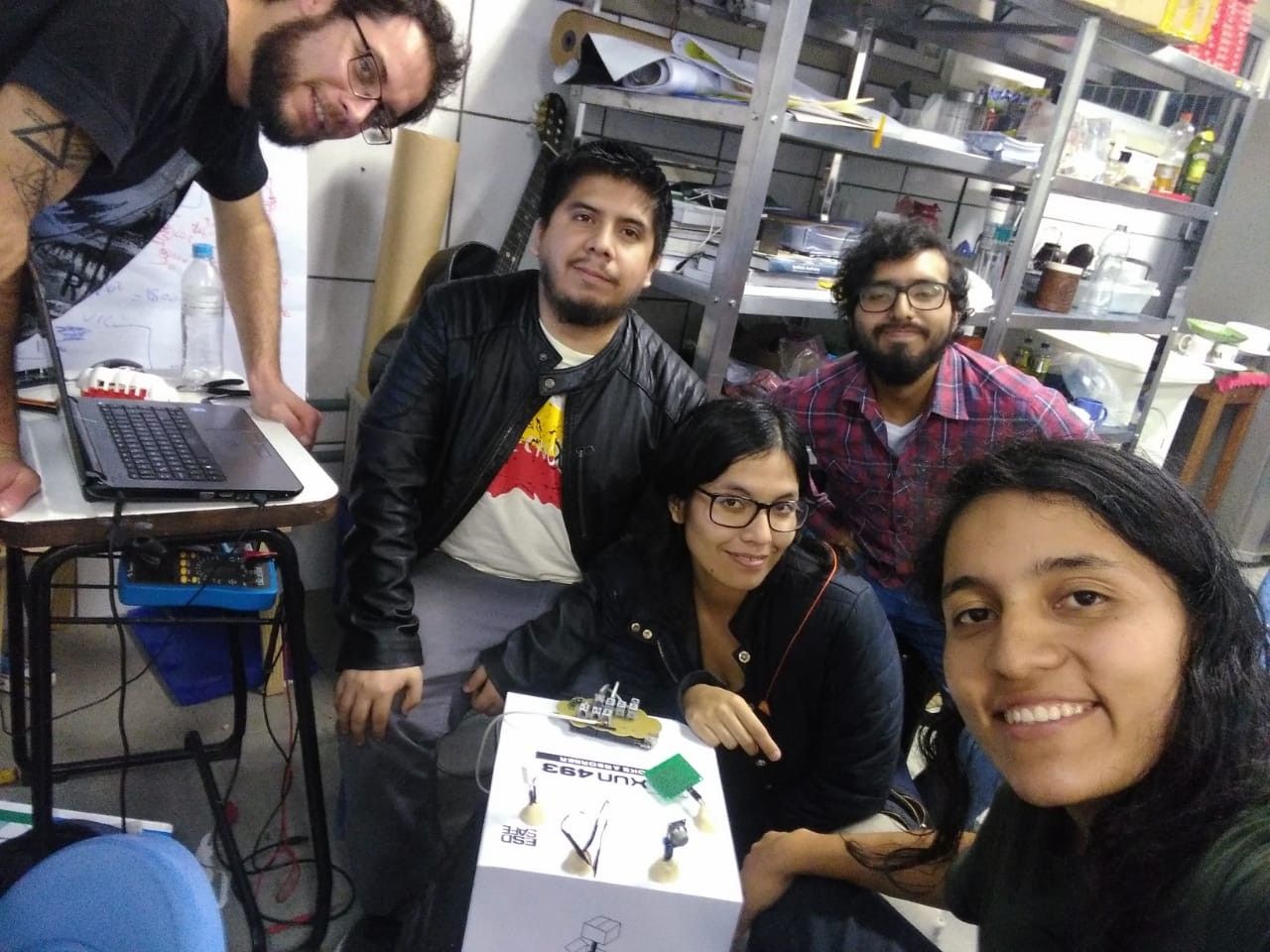
This project was conceived in the first Residency of Gathering of Open Science Hardware (ReGOSH). ReGOSH is a series of residencies where researchers, developers, and makers are gathered into a laboratory to generate ideas, projects and share knowledge to create solutions accessible to anyone. Making accessible solutions mean that every project aims to be replicable so anyone can build the exact solution for them.
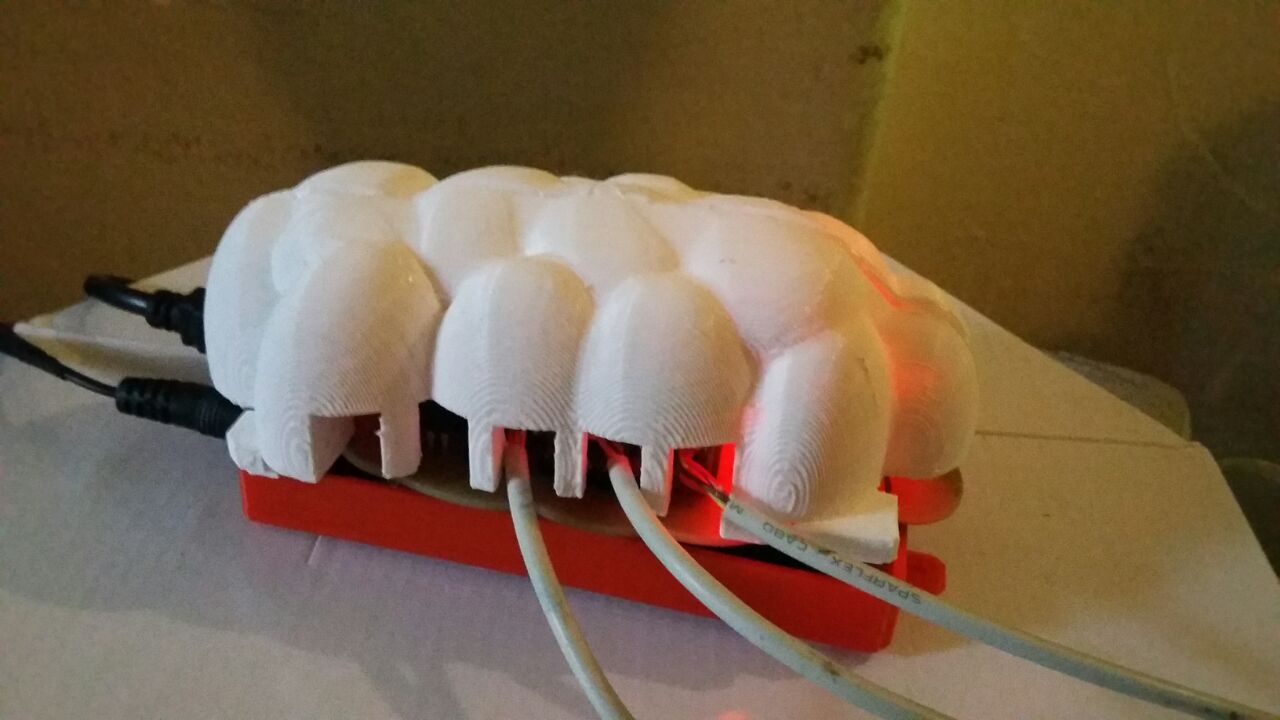
In the first residency taken in Porto Alegre, Brazil (2019), we proposed to build an environmental monitor as a way to visualize the problem that lies in our city, Lima. Lima, Perú, is considered as one of the pollutant capital cities around the world. Air Pollution can generate various health problems in humans, and different factors produce it in an environment. However, the most common of pollution in cities is the urban life, the emission that vehicles emit, and so on. However, this threat remains invisible in some countries as there are not enough studies and data to reveal this danger in those places. Additionally, measuring the air quality in a city is costly because there are no sensors that continuously measure the air at every location point in a city. The few sensors that exist are found in laboratories. Here is where the project Environmental Monitor comes in. This project proposes a low-cost air-quality sensor that can be implemented in any place to measure the level of pollution at that location. Making these devices accessible eases the process of implementing several sensors of this kind in different areas, so we can monitor the air quality and gain visibility of the problem.
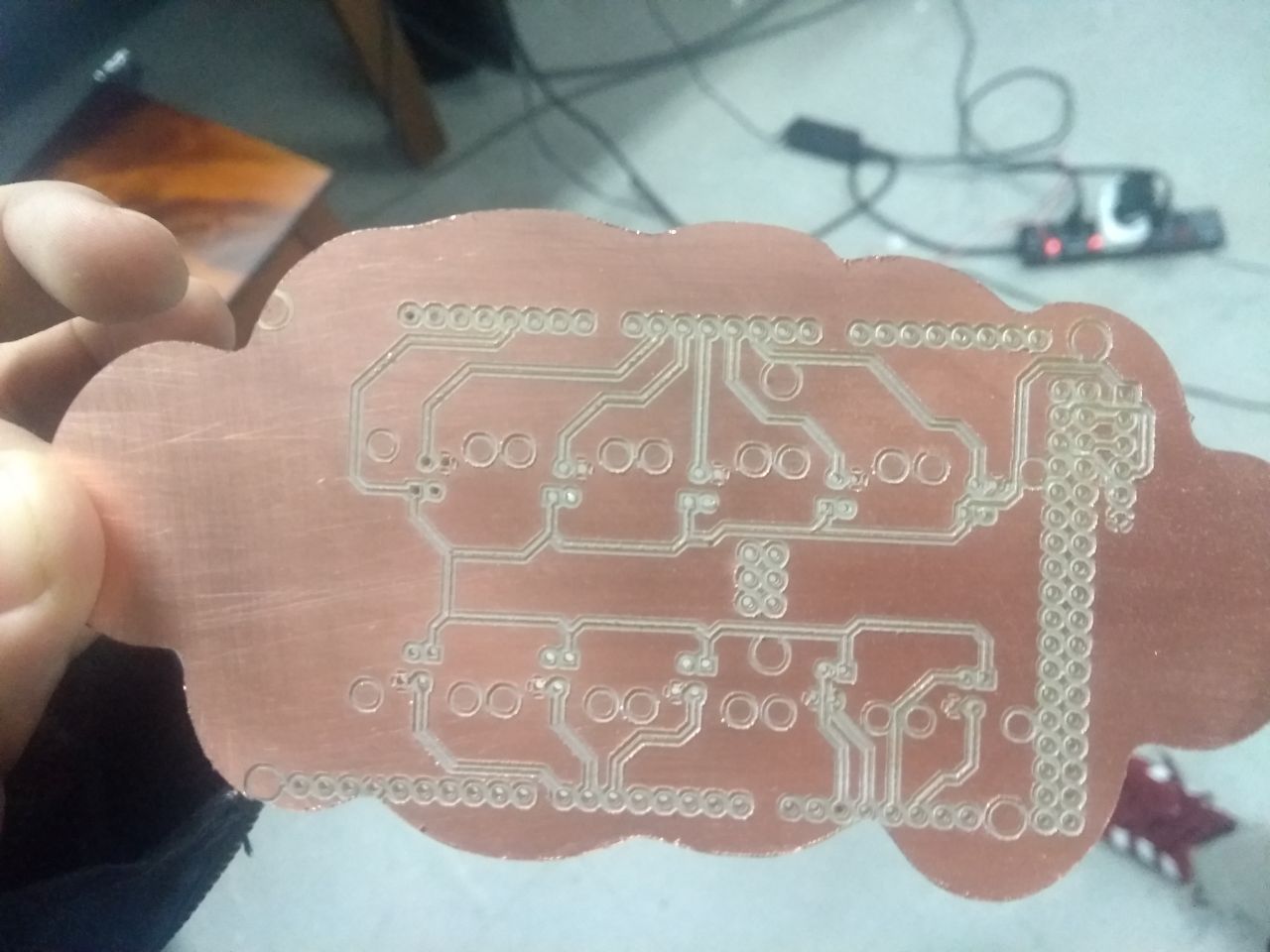
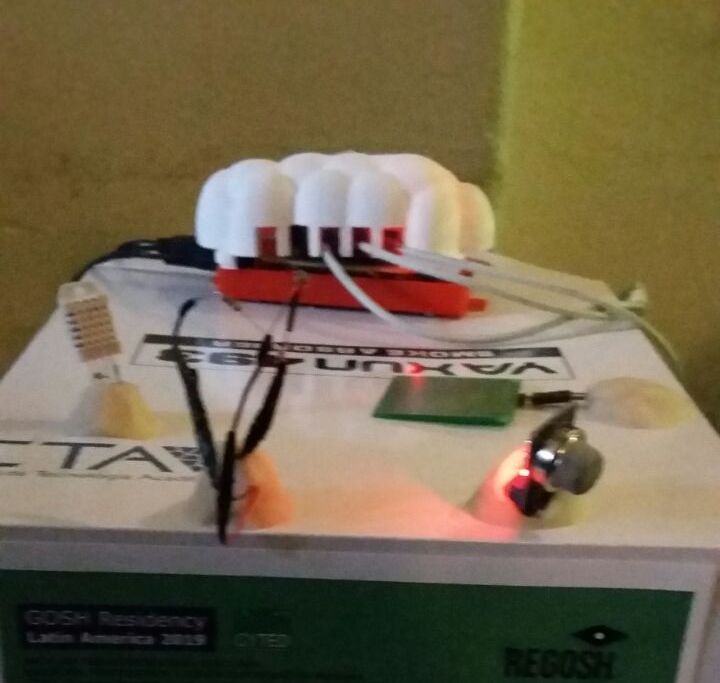
To develop the first models of this sensor, first, we focus on the design of the low-cost sensor. The first questions we came up with were what type of sensors would be helpful to measure the quality of life and if they would be accessible or not. We analyzed different sensors to find the ones that matched our criteria.
Then, we need to calibrate these sensors to reduce the error produced by the low level of accuracy that low-cost sensor provides. To solve this, we address it by studying different machine learning algorithms that let us calibrate these sensors effectively. Hence, the quality of data is well enough to measure the conditions of the environment.